Inspiración at Teatro Flamenco Barcelona
One hour of dance, song and guitar in a small theatre in El Born, with General, Premium and VIP options.
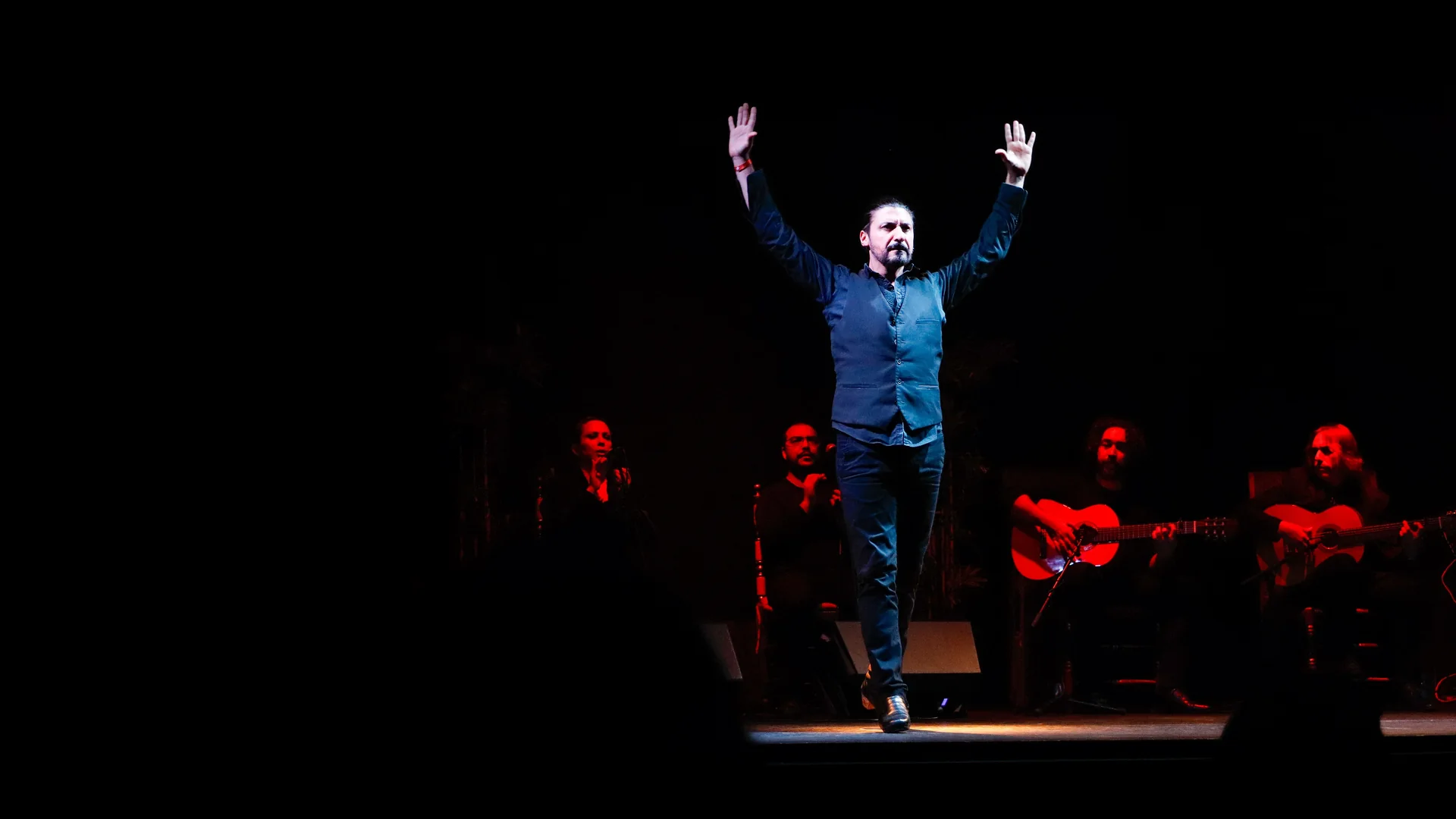
Barcelona · El Born
Guitar, song and dance for one hour, in an intimate theatre on Carrer dels Abaixadors in El Born.
The cast changes from week to week, so the hour you see is never quite the one other guests saw.
Four facts before you scroll
From the door to the street
Four stages, from the door to the street.
Doors open before the show begins, and the venue advises being in the room about twenty minutes ahead. Its site says arrival order decides seating, so turning up early is the one lever you control.
General and Premium include a welcome drink. The VIP option includes unlimited drinks service during the show. Check the details of your own option on the booking page before the night.
The show runs for one hour. The venue describes dance, song and guitar performed together by a cast that changes every week, and says each performance is different. Listen as much as you watch.
The theatre stands in the old city, so the quarter's restaurants and bars are on hand when the show ends. The VIP option adds a meet-and-greet with the artists after the show.
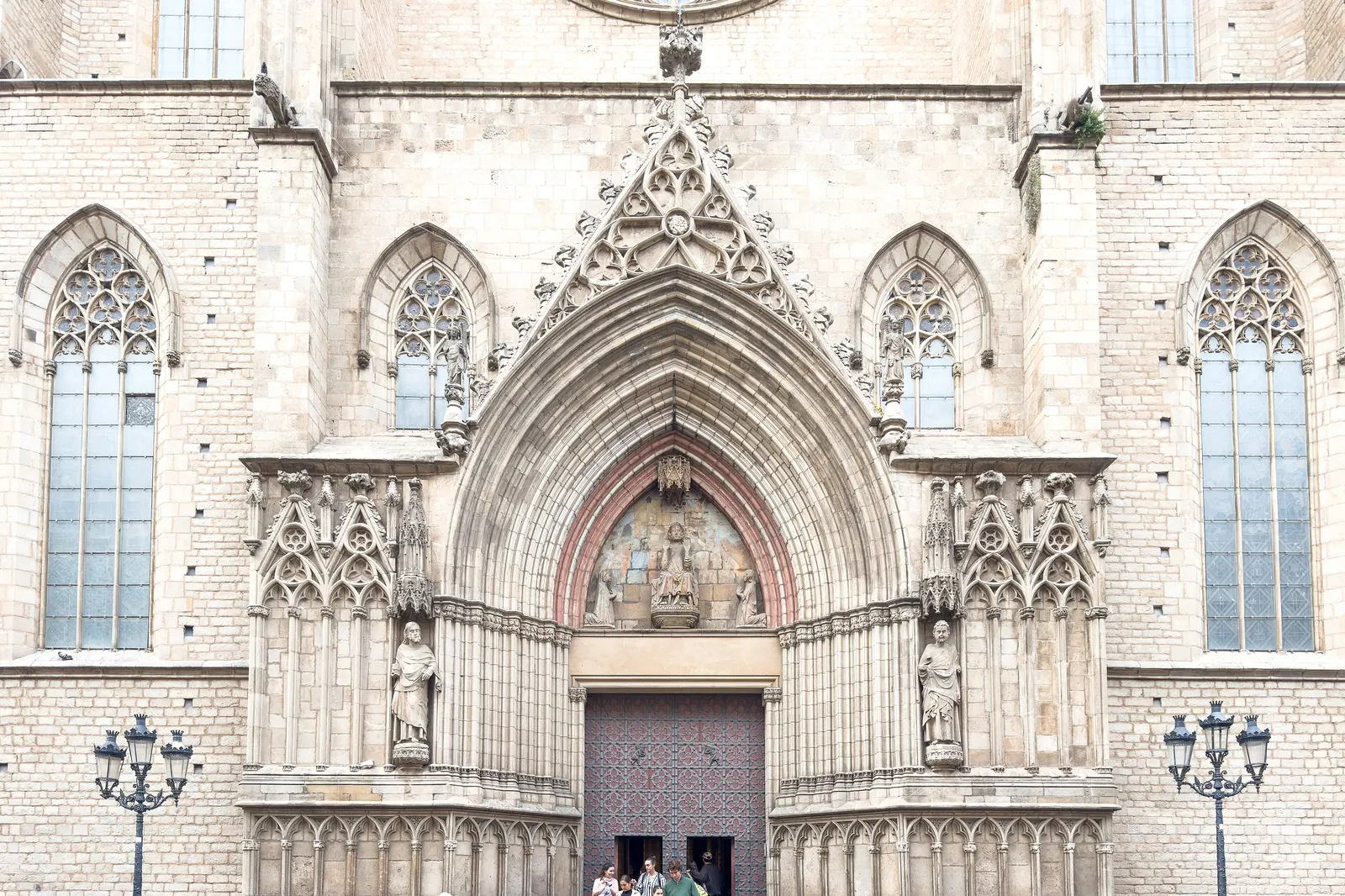
El Born, the setting
El Born is the lower part of La Ribera, which Wikipedia describes as a prosperous quarter from the 1200s to the 1400s, when it stood on the shore. It grew up outside the Roman walls as a merchant and maritime hub. Today it is a quarter of narrow lanes, galleries, small shops and bars, and the theatre stands inside it on Carrer dels Abaixadors.
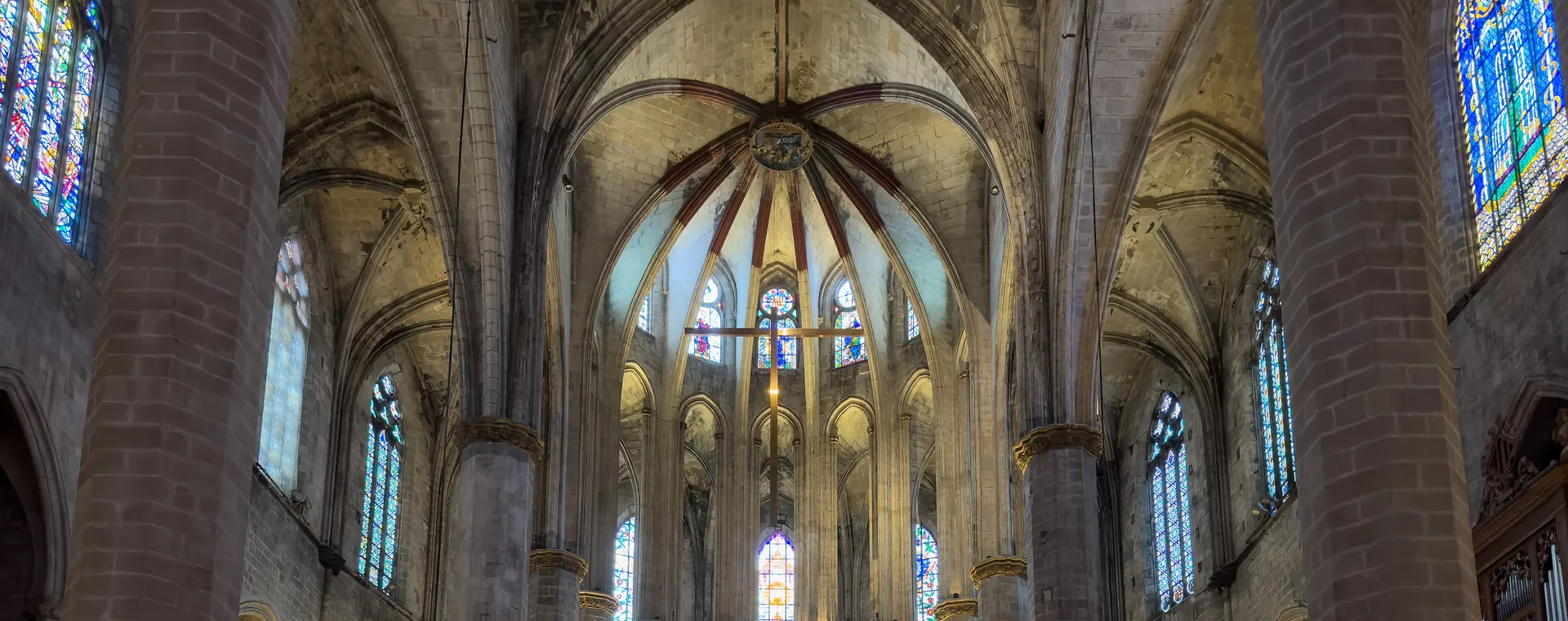
Santa Maria del Mar went up between 1329 and 1383 and is a leading example of Catalan Gothic. Wikipedia adds that the common people backed its construction, with the guilds of the Ribera quarter involved, instead of the nobility. Wikipedia calls the church the focal point of the neighbourhood the theatre belongs to.
Flamenco grew in Andalusia, and UNESCO names Andalusia as its core region. Barcelona still wrote part of the story. The seafront district of Somorrostro gave the world the dancer Carmen Amaya, and Catalan rumba grew out of the city's Romani community in the fifties and sixties. An evening in El Born belongs to a Barcelona story as well as an Andalusian one.
Ears open: six palos
Palos are flamenco's named forms; each carries its own rhythm and mood, and Wikipedia lists over fifty. These six turn up in most guides to the art, and any of them may appear on a given night.
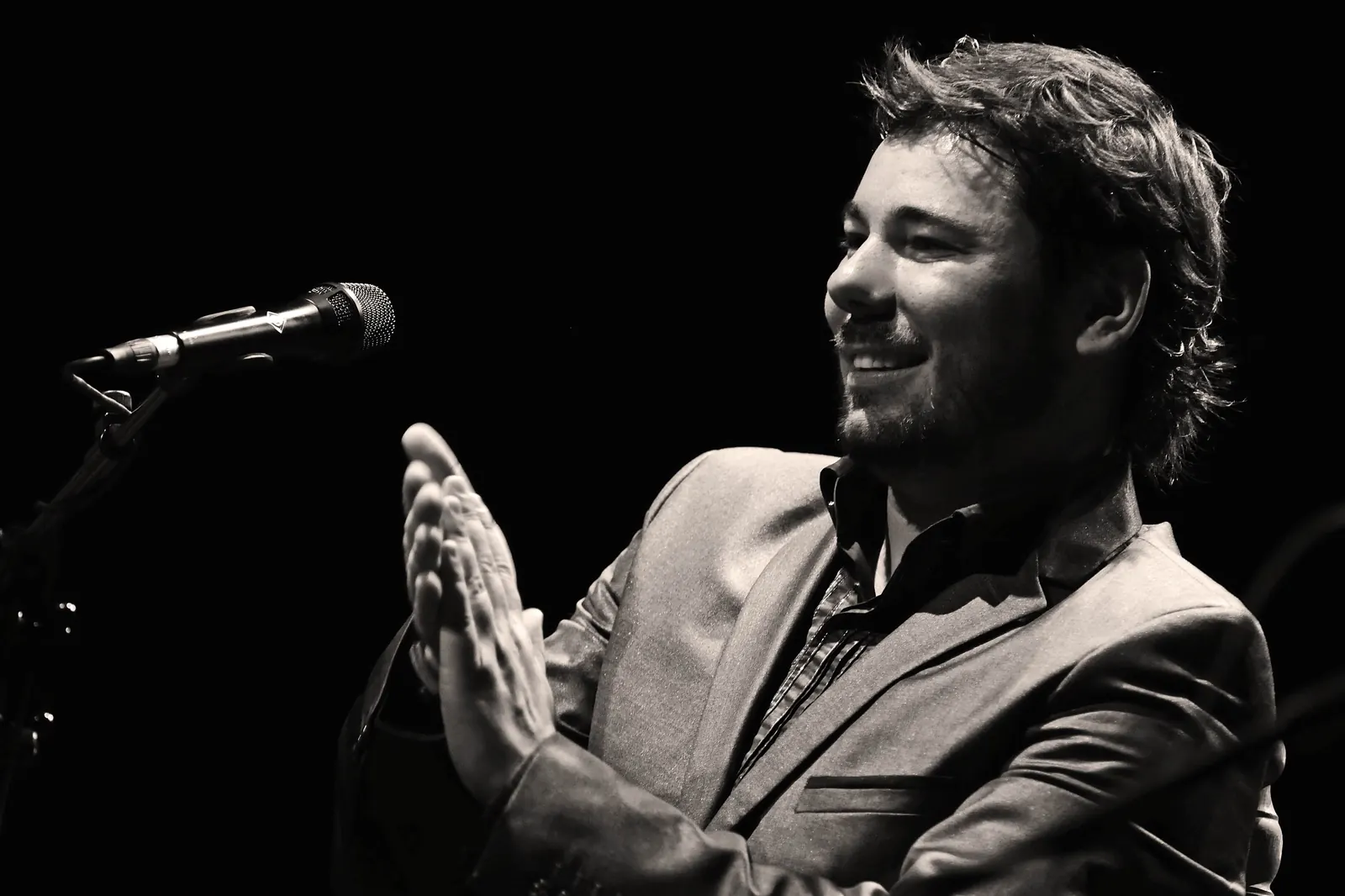
Martinete is sung without guitar, so the singer's voice carries everything, sometimes marked by palmas. The venue's own blog links it to the blacksmith's forge, where hammer blows on the anvil shaped the rhythm. Dancers sometimes use it for sober, forceful pieces.
Soleá belongs to the cante jondo family, the deep song that Wikipedia links to the hardship and marginalisation of the Romani people. Its twelve-beat cycle gives it a solemn weight, and it is one of the forms most closely tied to Romani music.
Siguiriya also runs on twelve beats, but its strong beats fall in different places. Wikipedia notes that if you start counting a soleá on its eighth beat you get the siguiriya rhythm. Manuel de Falla regarded it as the core song of cante jondo, as Lorca recorded.
Flamenco tangos share only a name with Argentine tango. Wikipedia says the Instituto Andaluz del Flamenco places the form's early development between Cádiz and Seville. It is a lively four-beat palo, and one of the basic styles you will hear.
Wikipedia's article on palos says the farruca and the garrotín were folk songs that probably came from Asturias and Catalonia. Its farruca article links the form to Galicia and says the origin is not settled. Either way it became a showcase for dance and solo guitar.
The fandango family includes the malagueña and the granaína. Wikipedia says some of these are sung in free rhythm, without a fixed compás. Fandangos were first sung and played to support a dance of the same name, and Wikipedia says they are now often sung as free-rhythm songs.
What gets played is the artists' decision, and the cast changes weekly according to the venue. Use this as a field guide for your ears, not as a running order.
General, Premium or VIP
| The option | What it adds | Who it suits |
|---|---|---|
| General | Admission to the show with a welcome drink. | A first flamenco night on a plain ticket. |
| Premium | Admission with a welcome drink. The option details say what separates it from General. | Anyone who has read those details and prefers it. |
| VIP | A meet-and-greet with the artists after the show, skip-the-line entry and unlimited drinks service during the show. | Celebrations, and guests who want to talk to the artists. |
| Large groups | The venue asks bigger parties to contact it directly and also hosts private events. | Teams, parties and celebrations. |
The ticket in brief
A few facts to read before you pay.
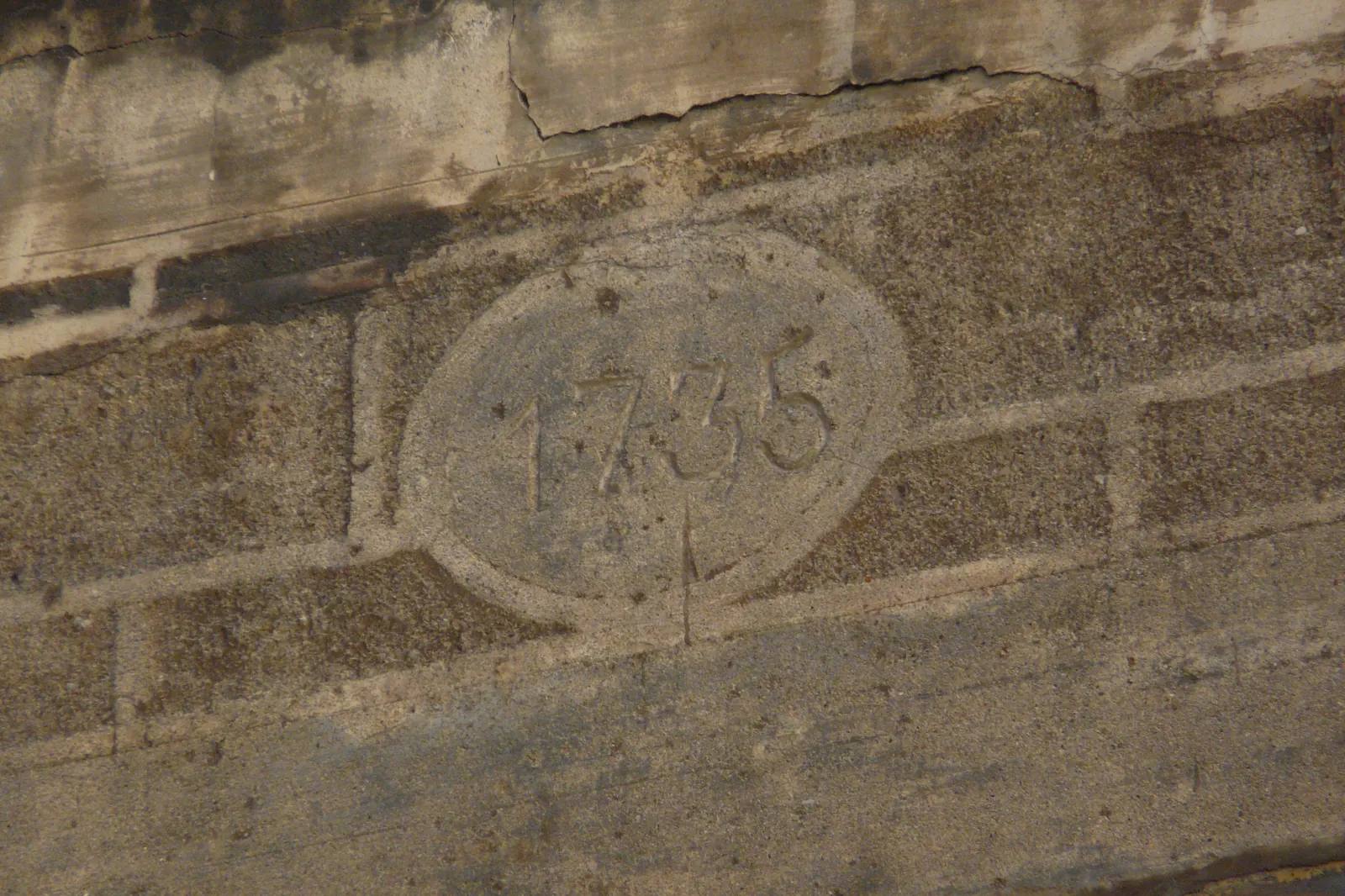
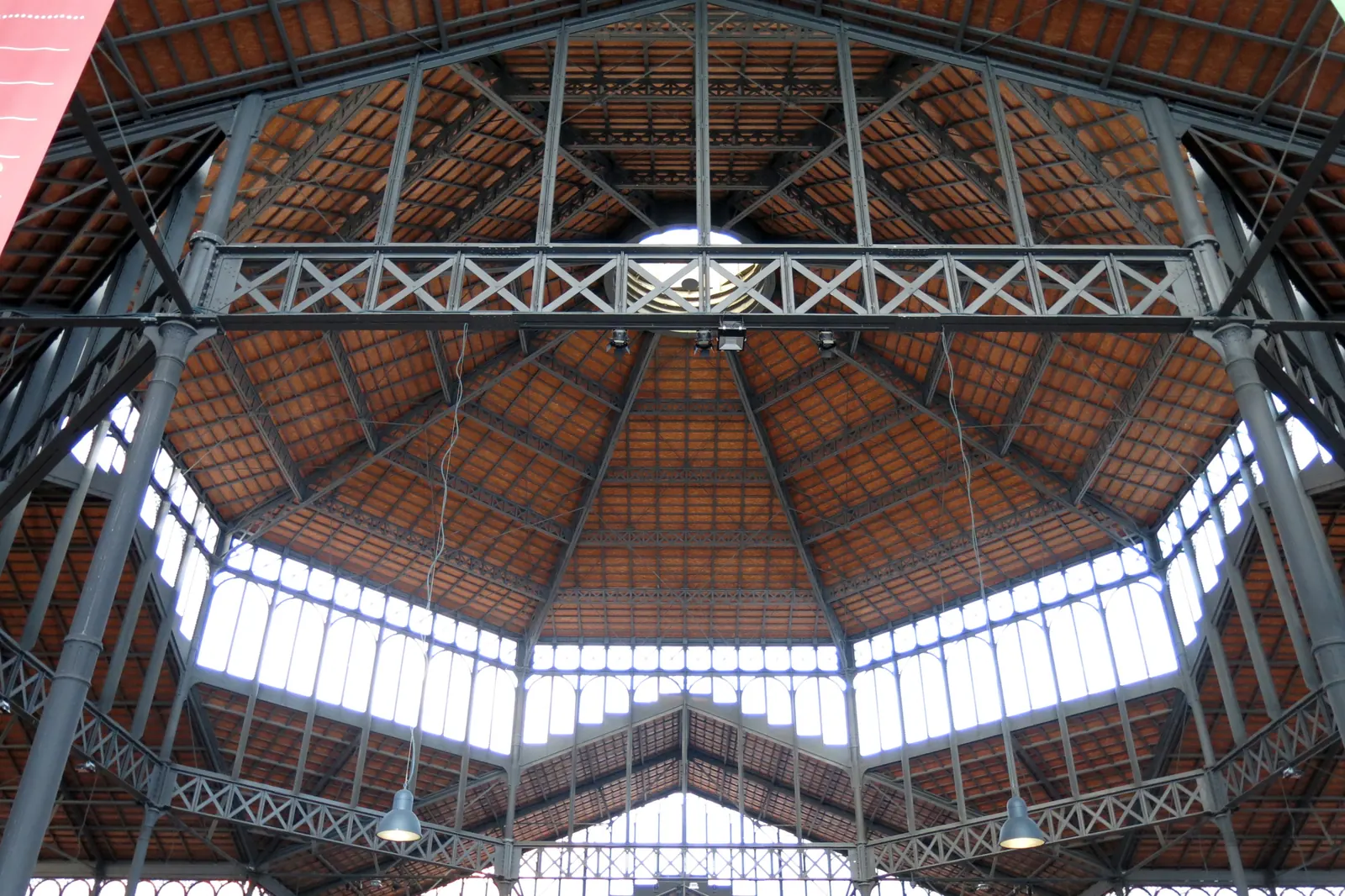
Stone, iron and stage
These photographs show Santa Maria del Mar, the iron roof of the former Mercat del Born, a datestone on Carrer dels Abaixadors and flamenco performers on stage. No picture here shows the theatre's interior.
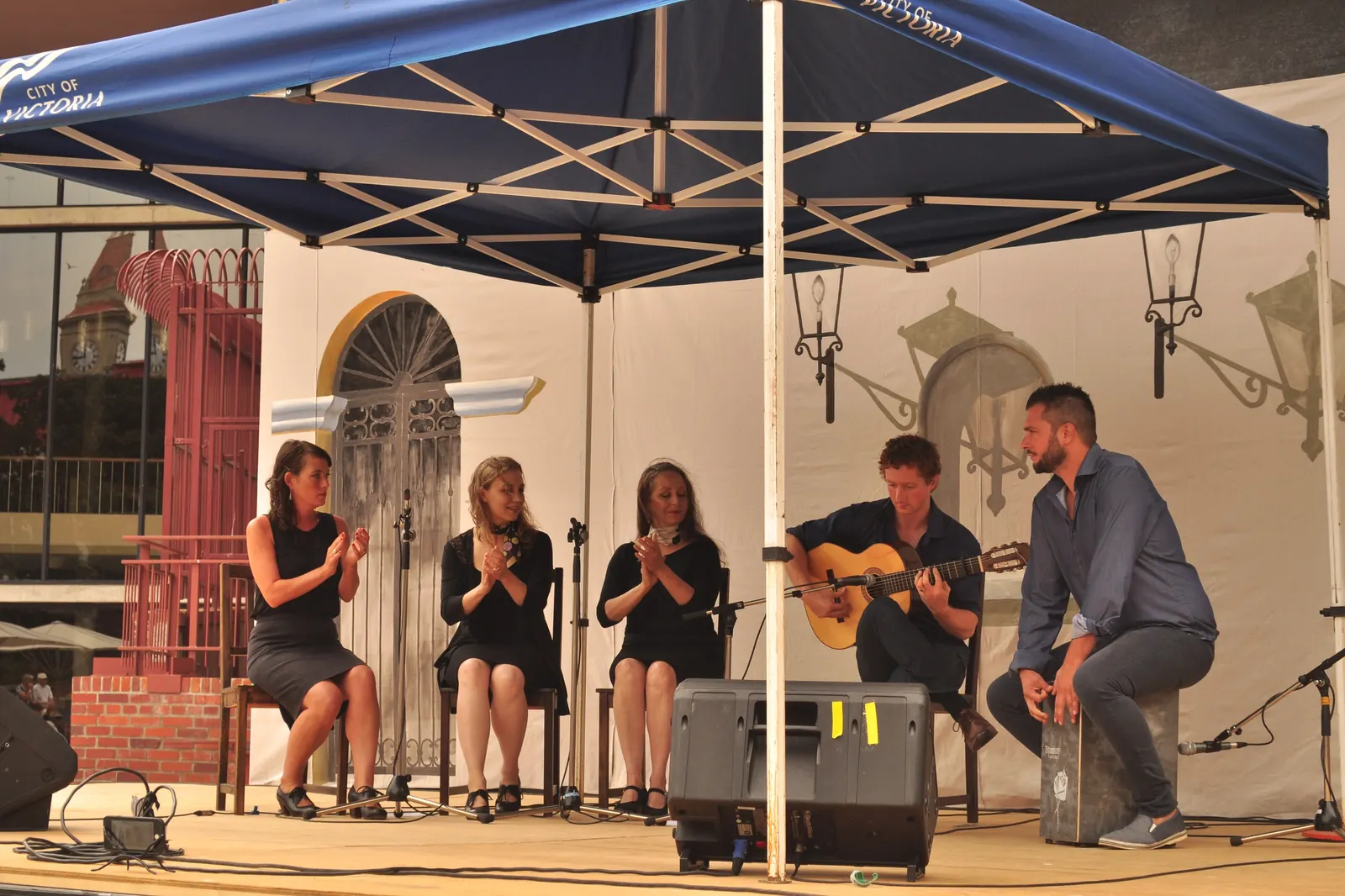
Book the hour
One ticket, three options: General, Premium or VIP. Pick the date below, then read the details of the option you choose.
One hour of dance, song and guitar in a small theatre in El Born, with General, Premium and VIP options.
While you are in Barcelona
Practicalities
Carrer dels Abaixadors 10, 08003 Barcelona, in El Born, part of Ciutat Vella. The lanes around it are narrow and old, so allow a few minutes to find the door and use the street address in your map app.
Check your confirmation for the start time of your date. Doors open before the show, and the venue advises being in the room about twenty minutes ahead. Guests are seated strictly in arrival order, so earlier is better.
General and Premium include a welcome drink, and VIP includes unlimited drinks service during the show. Anything beyond what your option states is yours to arrange with the venue.
A GetYourGuide booking cancelled a full day before the show is refunded in full. If you book with the venue directly, its own policy lets you move the date until a day before.
Wheelchair users are covered by the GetYourGuide ticket, and the venue's reservation form lets you flag reduced mobility. The venue's site describes a family-friendly audience, so ask about age guidance before bringing very young children.
Songs are sung in Spanish, and the feeling carries further than the lyrics. The venue's blog suggests that knowing the history of each palo deepens the show, which is what the listening guide above is for.
Guides to the theatre, El Born and flamenco in Barcelona
FAQ
The show runs for one hour. Doors open before it begins, and your confirmation prints the start time for your date.
No. This guide is independent of Teatro Flamenco Barcelona and its artists. The booking itself happens on GetYourGuide, through the buttons on this page.
General suits most first visits. Choose VIP if the meet-and-greet with the artists or the unlimited drinks service is the point of the evening, and read the Premium details before choosing between it and General.
General and Premium include a welcome drink, and VIP includes unlimited drinks service during the show. The option details on the booking page give the exact terms.
The venue seats guests strictly as they arrive, so being early is your best lever. Read the details of your option for anything more.
At Carrer dels Abaixadors 10, 08003 Barcelona, in the El Born part of the old city. It sits among narrow lanes, in the same old quarter as the church of Santa Maria del Mar.
Wheelchair users are covered by the GetYourGuide ticket, and the venue's reservation form lets you flag reduced mobility.
A GetYourGuide booking cancelled a full day ahead is refunded in full. The venue's own policy permits a date change until a day before the show.
Fares change with the option and the date. The booking widget shows the current fare in your own currency.